HMCS Head Tracking for Flight Simulators

Flight simulators have come a long way, but one thing is consistent - fighter pilots must train with the highest level of realism possible. This is best achieved using high-fidelity simulators, with the closest representation of technology and systems present in the associated live aircraft.
Today’s aircraft have incredible, state-of-the-art technology. One such technology is the Helmet Mounted Cueing System (HMCS), which allows pilots to view symbology through a head-mounted augmented reality display. HMCS provides pilots with enhanced situational awareness, using symbology to mark friendly positions, hostile targets, and other points of interest. They also enable heads up weapons employment - all features which require precision head tracking to measure pilot head position and orientation, in real-time.
HMCS Capabilities
Helmet Mounted Cueing Systems allow a pilot to look at a target on the ground and slew their targeting pod, enabling faster air-to-ground weapons employment. Another benefit of HMCS is that they can be used for quickly looking and locking onto aerial targets, taking full advantage of high off-boresight missile capability. These unique capabilities are in addition to the massively improved situational awareness that comes from geolocated symbology identifying critical points of interest throughout the battle space.
Upgrade the Aircraft - Upgrade the Simulator
All frontline U.S. fighters (including F-35, F-15C/E, F-16, and F/A-18C/E/F) are either currently equipped with a HMCS capability, or are slated for upgrade soon. This is a great innovation, but it does present challenges. When training pilots in legacy simulators, they are not training with a HMCS feature set. Luckily, Polhemus has the answer for one of the most critical components - head tracking.
All that’s needed for pilot head tracking is a small EM tracking source in the simulator cockpit and a light-weight sensor on the helmet.
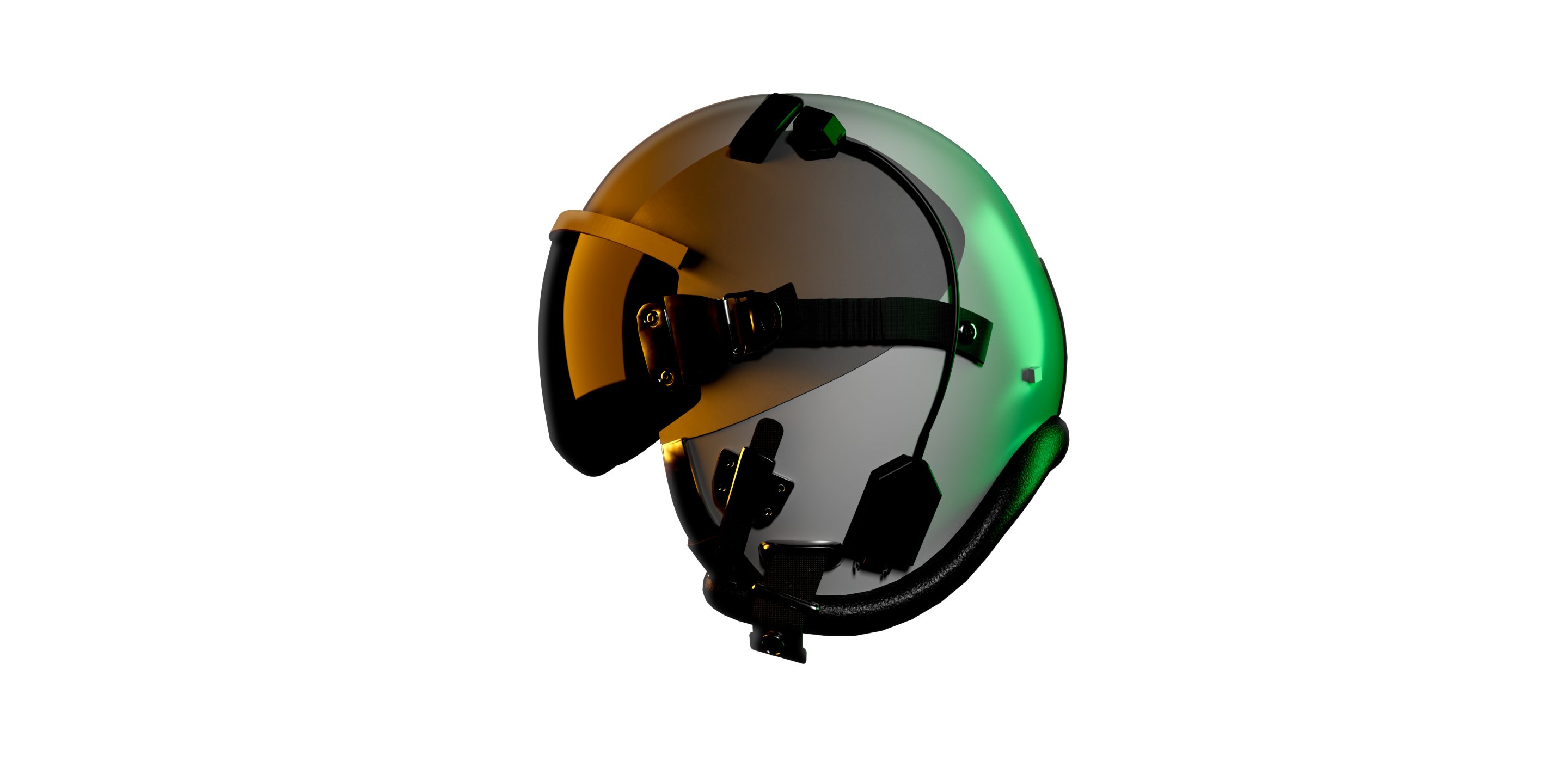
Polhemus offers the most comprehensive and simplified solution for HMCS head tracking. All that’s needed for pilot head tracking is a small EM tracking source in the simulator cockpit and a light-weight sensor on the helmet. Polhemus electromagnetic tracking has no line-of-sight requirements. Their tracking systems enable real-time measurement of the pilot’s head position and orientation at ultra-fast update rates. This delivers stable, ultra low latency data to the simulator’s visual rendering system.
Polhemus has been tracking pilot head movement on simulated and live aircraft for over 50 years. They are the global authority in pilot head tracking.
Contact the Motion Tracking Experts™ to learn more at Sales@polhemus.com